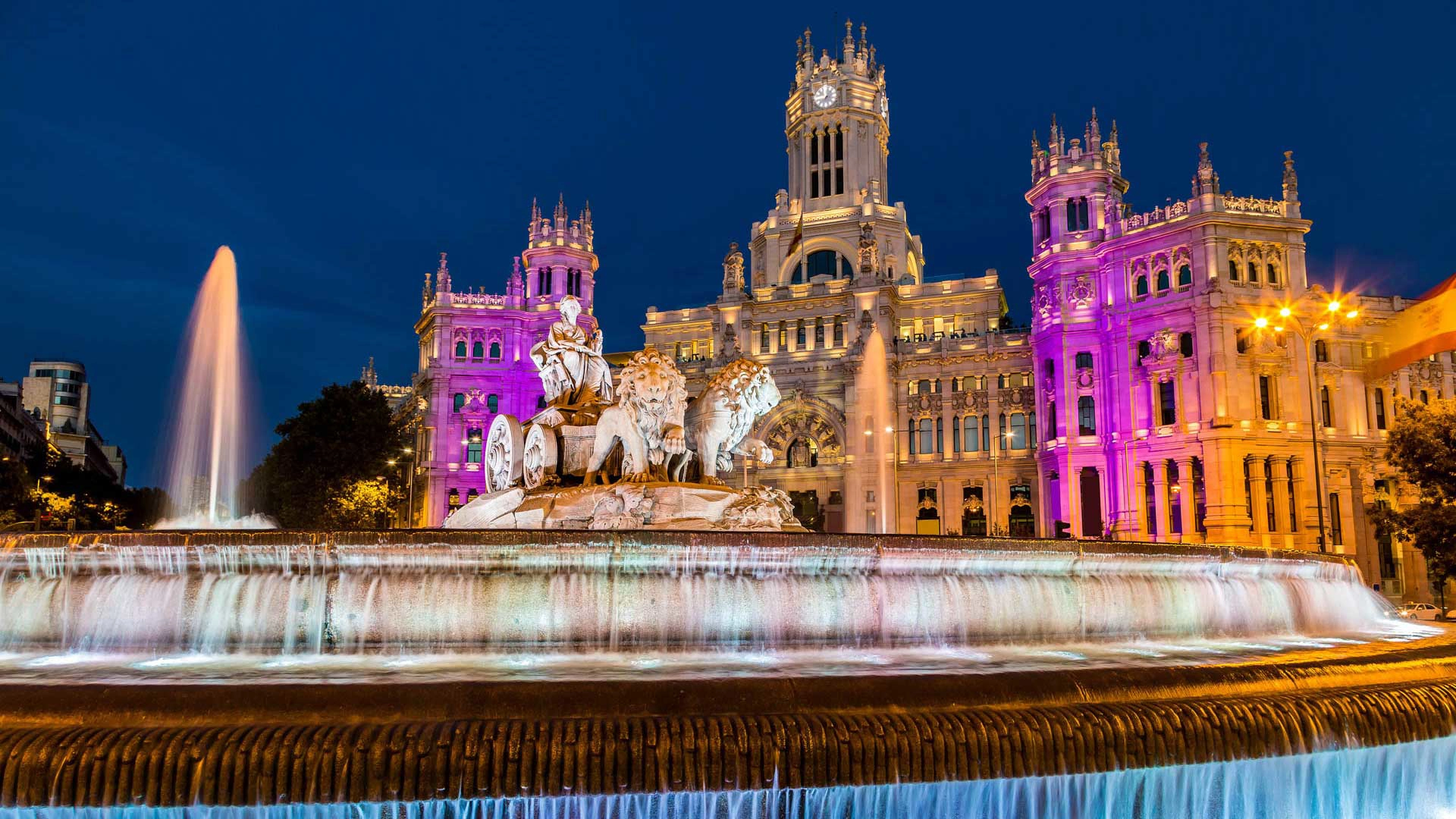

When it comes to cities with a deep history, Madrid rewards the traveler at every turn. It is regal without becoming remote, creative without trying too hard, and deeply rooted in tradition while staying unmistakably contemporary. Grand boulevards, formal gardens, palace facades, and world-class museums give the Spanish capital its stately frame, yet daily life unfolds with warmth and movement in busy plazas, neighborhood markets, elegant shopping streets, and flamenco tablaos.
What distinguishes Madrid is not a single landmark but the way so many sides of the city meet at once – ceremony and spontaneity, refinement and ease, history and momentum. For visitors, that creates a destination that can shift from monumental to intimate within the span of one afternoon, whether the day begins with royal heritage, continues through art and green space, and ends over a long dinner that stretches comfortably into the night. Each return uncovers another texture, another ritual, another neighborhood, another pleasure. It is a capital that rewards slow looking and leaves room for plenty of surprises.
CROWNED BY HISTORY
Madrid’s rise to prominence was anything but accidental. Although the city’s history reaches back to the ninth century, its defining turning point came in 1561 when King Philip II moved the Spanish court from Toledo to Madrid. That decision transformed Madrid from a growing Castilian town into the political and ceremonial center of the Spanish monarchy. The old description La Villa y Corte, or The Town and Court, still captures something essential about the capital today. Madrid has never entirely lost the dual identity suggested by that name. It remains the seat of power, pageantry, and national institutions, but it also retains the atmosphere of a lived-in city shaped by everyday rituals, neighborhood character, and a distinctly social rhythm. That tension between official grandeur and human scale is one of the reasons Madrid leaves such a strong impression on first-time visitors.
One of the clearest expressions of Madrid’s royal legacy is the Royal Palace, which stands as the largest palace in Western Europe and among the largest anywhere in the world. It is no longer the everyday residence of the royal family, yet it still hosts state ceremonies and formal occasions, preserving its role at the symbolic heart of the nation. For visitors, the palace offers far more than an imposing exterior. Its grand staircases, ceremonial rooms, and thoroughly decorated interiors reveal the theatrical scale on which the Spanish monarchy once presented itself. Just beside it, the Royal Collections Gallery deepens that story. Set within the palace complex, the museum brings together works and objects accumulated by the monarchy from the Middle Ages to the present, creating a sweeping narrative of dynastic taste, patronage, and power. Seen together, the palace and gallery provide one of Madrid’s most compelling introductions.
THE ARTS AND NATURE
If royalty explains one dimension of Madrid, flamenco reveals another. The city occupies a singular place in the story of this art form, and its tablaos remain among the finest settings in Spain to encounter it at close range. Madrid’s relationship with flamenco is not decorative or secondary. In intimate venues across the city, singers, dancers, and guitarists sustain a tradition built on discipline, emotion, and immediacy. The setting matters. A good tablao brings the audience near enough to catch every heel strike, every pause, every shift in expression. That closeness gives flamenco in Madrid its electricity. Rather than presenting folklore at a distance, the city invites visitors into an art that is still living, still demanding, and still capable of holding a room completely still. An evening spent this way becomes less a performance on an itinerary than a direct encounter with one of Spain’s defining cultural languages.
Madrid’s artistic stature extends far beyond the stage. Along the Paseo del Arte, or Art Walk, the capital gathers an extraordinary concentration of masterworks within a short stretch of the city. The Prado, the Thyssen-Bornemisza, and the Reina Sofía form a trio of museums that together span centuries, movements, and ways of seeing. In one city, visitors can move from Velázquez and Goya to modern and contemporary works of international importance, including Picasso’s Guernica at the Reina Sofía. This cultural axis lies within the UNESCO World Heritage Site Paseo del Prado and Buen Retiro, a landscape of Arts and Sciences. Madrid does not isolate culture behind closed doors. It allows museums, gardens, monuments, and civic life to flow into one another, giving the city a rare coherence.
That relationship between culture and open space becomes even clearer in El Retiro, the great park at the center of Madrid’s public life. Once tied to royal use and now open to everyone, it offers shaded promenades, formal gardens, broad lawns, and moments of quiet that soften the pace of the city around it. Visitors can step from major museums into tree-lined calm, pause beside the lake, or admire the light-filled structure of the Crystal Palace before continuing through the grounds. For those who want a fuller sense of the region’s natural character, Madrid also places mountain landscapes within easy reach. Around an hour from the city, Sierra de Guadarrama National Park introduces another side of the destination – high peaks, forests, biodiversity, and outdoor routes that contrast sharply with the urban core. The result is a capital that does not force travelers to choose between cultured city life and access to nature.
A CITY TAILORED FOR STYLE
Shopping adds yet another layer to Madrid’s appeal, particularly for travelers drawn to fashion, design, and polished urban glamour. The Barrio de Salamanca remains the city’s most refined retail district, known for elegant streets lined with international luxury houses, established Spanish names, and beautifully presented storefronts. Here, shopping takes on the atmosphere of a promenade, with architecture and café culture enriching the outing. In the city center, Galería Canalejas offers a more contemporary version of the same allure inside a complex of historic buildings reinvented for luxury retail and gastronomy. Another enduring Madrid institution is El Corte Inglés, which took its name from a small tailor’s shop founded in 1890 and grew into one of Spain’s signature department store brands. Together, these destinations show the range of Madrid shopping, from heritage and prestige to modern curation, all delivered with the confidence of a capital that understands style as part of daily life.
For those willing to venture a little farther, Las Rozas Village expands the city’s retail map with a more relaxed but still upscale format. Located roughly twenty-five minutes from central Madrid, it brings together more than one hundred boutiques devoted to Spanish and international fashion and lifestyle brands, with reductions that can reach up to 60 percent off the original retail price. The setting is designed to prolong the visit rather than reduce it to a transaction. Restaurants and cafés encourage lingering between purchases, turning an outlet excursion into a full half-day outing.
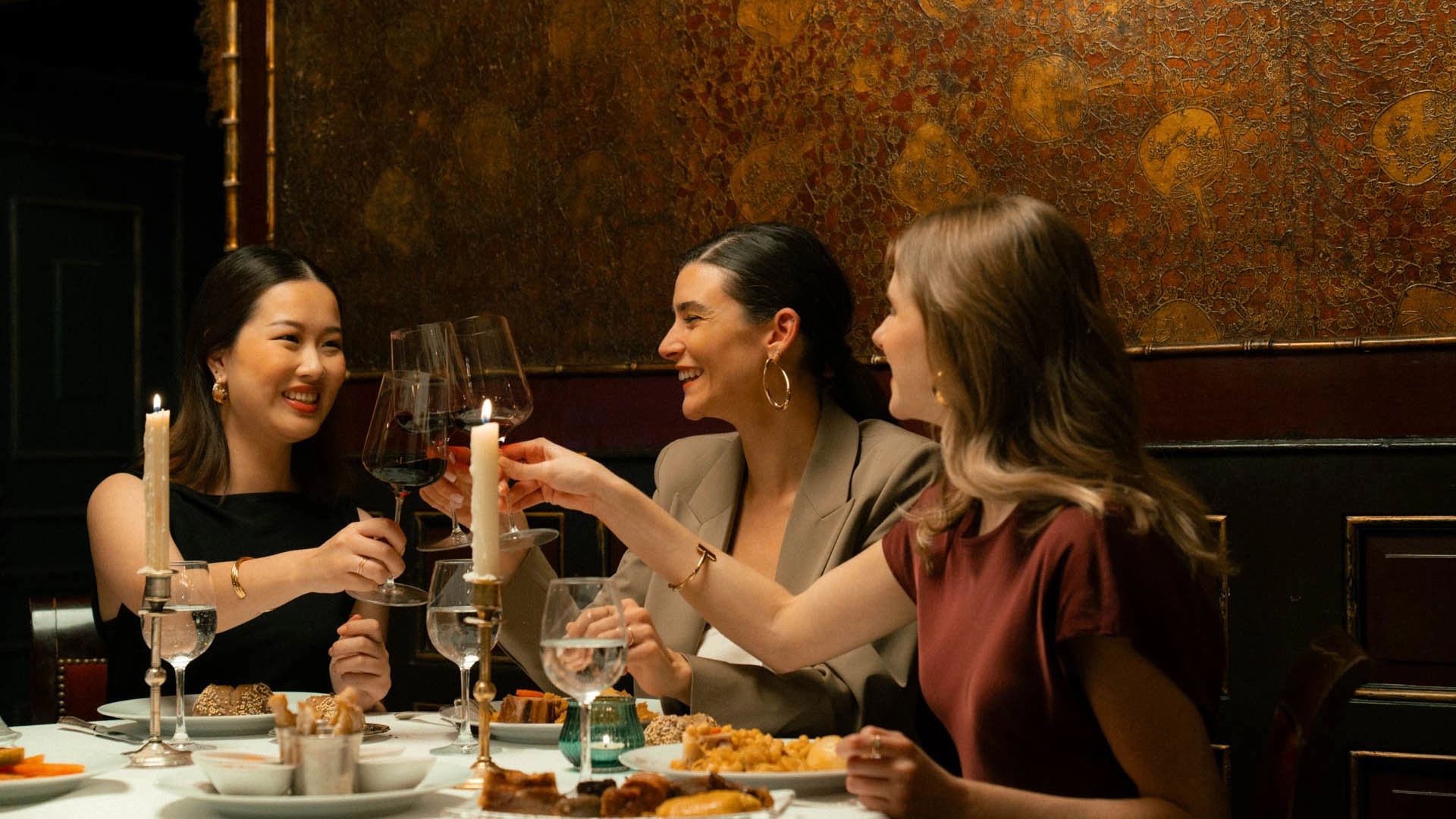
That same spirit carries into Madrid’s dining scene. The city’s culinary range runs from old taverns and classic dining rooms to avant-garde kitchens recognized at the highest level. Yet one of its most memorable tables is also one of its oldest: Casa Botín, founded in 1725 and recognized by Guinness World Records as the world’s oldest restaurant.
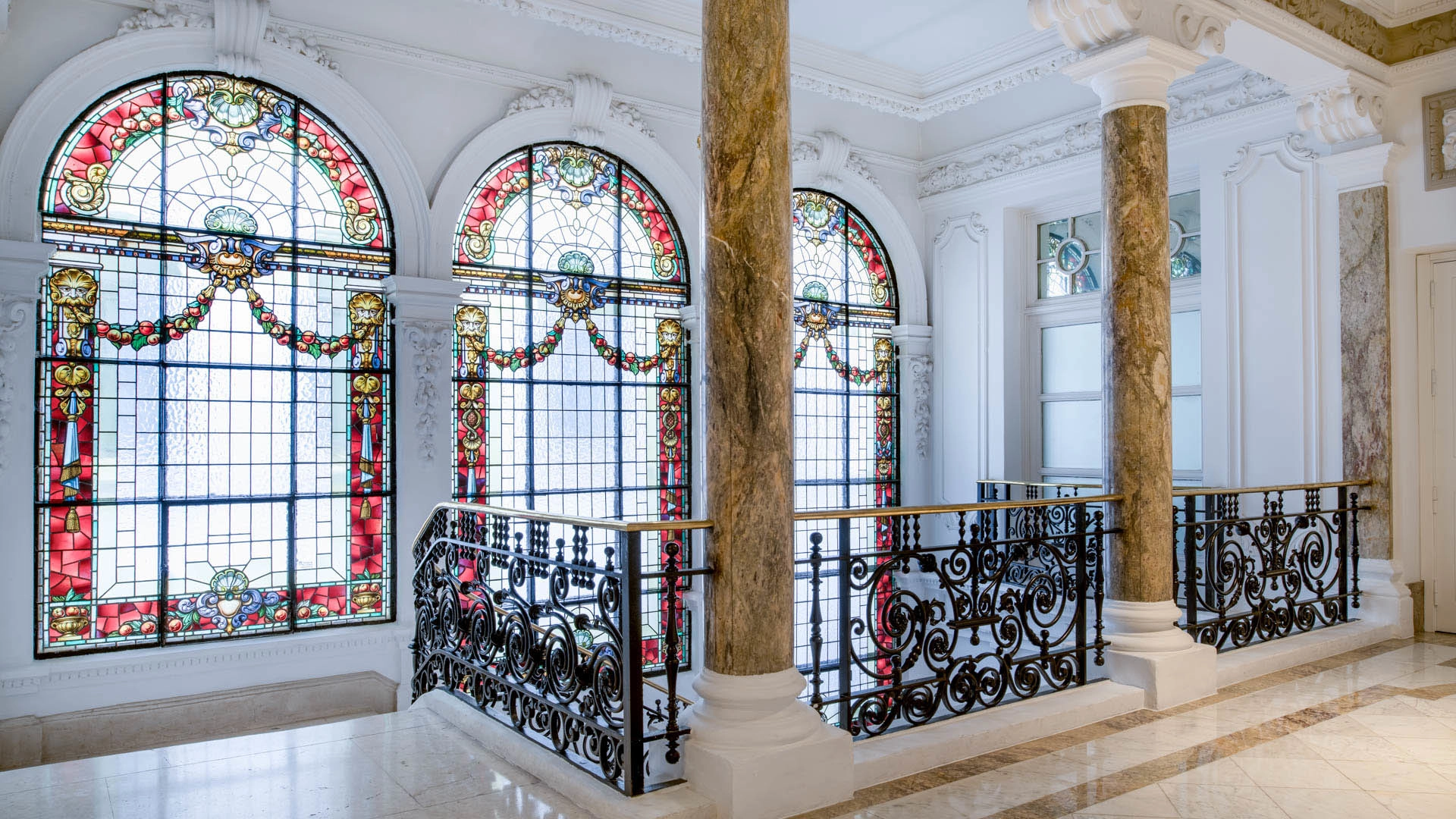
Luxury in Madrid is not confined to shops and restaurants. It also appears in the way the city hosts its guests, with accommodations that range from restored palaces and belle époque landmarks to sleek contemporary addresses in the center. Service in Madrid tends to mirror the city itself. Polished but not stiff, attentive without unnecessary formality. That balance is part of what makes the capital so appealing to travelers who want sophistication without detachment. A stay here can be built around museum mornings, shopping afternoons, and long dinners, but it can just as easily include neighborhood wandering, aperitifs in handsome squares, and unplanned discoveries in districts where local life remains visible. The city never suggests that luxury must be separate from authenticity. Instead, it places them in conversation, allowing visitors to move between grand settings and lived-in streets with remarkable ease, and making the city as satisfying for repeat visits as it is for a first arrival.
ELEGANT STAYS
Madrid’s hotel scene is just as dynamic as the city itself, with stays that range from stately and secluded to sleek and scene-driven. For travelers who want to be in the middle of the action, Círculo Gran Vía, Autograph Collection delivers a stylish adults-only stay in a landmark 1924 building right on Gran Vía, where city views and instant access to the capital’s energy set the tone. Just across from Retiro Park, Hotel Palacio del Retiro, Autograph Collection offers a quieter kind of luxury, pairing palace-like elegance with a refined sense of calm near some of the city’s greatest museums.
For a more aristocratic take on the city, Santo Mauro, a Luxury Collection Hotel, Madridchannels the hush and grandeur of old Madrid, with the atmosphere of a grand private residence tucked behind a private garden. At the other end of the spectrum, The Madrid EDITION brings a bold, contemporary edge to the mix, with a design-forward mood, a high-energy social scene, and a rooftop experience that feels made for lingering long after sunset.
GREATER MADRID
Beyond the capital lie destinations that broaden any Madrid itinerary with striking landscapes and small-town character. UNESCO recognizes three World Heritage Sites in the Community of Madrid: San Lorenzo de El Escorial, home to the Monastery and Site of the Escurial, where the monumental monastery and royal site rise at the foothills of the Sierra de Guadarrama; Aranjuez, whose cultural landscape blends river corridors, formal design, and royal architecture; and Alcalá de Henares, the birthplace of Cervantes and the world’s first planned university city. Beyond those celebrated names, smaller towns add intimacy and contrast. Patones charms with black-slate architecture and steep cobbled lanes. Chinchón is known for its storied Plaza Mayor and strong Castilian identity. Buitrago del Lozoya preserves medieval walls beside the river, while Manzanares el Real pairs Mendoza Castle with immediate access to mountain scenery. Together, they show that Madrid is not only a capital to visit, but a region to explore beyond the city.
That is where thoughtful planning matters. Madrid rewards travelers who know where to look, when to go, and how to connect the city with the places beyond it. Work with an Affluent Traveler Collection travel advisor who can collaborate with OnLocation partner Tours for You to shape a vacation with local insight, smooth logistics, and experiences that fit the way you want to see the city. From art and architecture to tapas, private touring, and evenings that stretch late, Madrid is at its best when the trip is planned with care.
Choose one of our incredible travel experiences.
Search for the local Affluent Traveler Specialist in your area.
Contact your local specialist and start planning.


The Affluent Traveler Collection is your “Your Guide to the Good Life.” Our renowned luxury travel specialists have one goal in mind, to create luxurious travel experiences that will inspire your mind, body and soul. Through long-standing relationships with the most upscale hotels, cruise lines, guided vacation companies and more, our travel specialists use their years of experience and product expertise to design a tailor-made vacation just for you.
Ready to be guided towards the vacation of your dreams? We’re ready to help get you there. To find an Affluent Traveler Collection travel specialist, click here.