
written by
Jennifer Jones
British Columbia puts the wild in front of travelers from the start. The arrival is big and immediate. Mountains gather behind glass towers. Water cuts into the city. Forests, vineyards, islands, and lodges all belong to the same vast province, but each one changes the day in its own way. In Vancouver, a morning can start beside the seawall and end at a restaurant table with the harbor still close by. Farther out, urban comforts give way to luxury lodges where time outside leads back to timber walls, a good meal, and a crackling fire waiting inside.
That variety is what makes British Columbia so compelling, but it needs careful planning. Try to see everything and the province becomes a blur. British Columbia works best through contrast, not a checklist. Vancouver starts with restaurants, water, and mountains at hand. The Okanagan changes the pace with vineyards, lakes, and meals tied to local farms. The Pacific side moves into islands, inlets, rain forest, and lodges reached by boat or floatplane. The mountains provide a more adventurous edge, from Sea to Sky outings to the national parks of eastern B.C.
When it comes to planning, an Affluent Traveler Collection travel advisor can work with OnLocation partner Voyages Centaure to create the right mix of places, guides, stays, and timing for you. Guides are chosen for what they reveal. Lodges and hotels are selected because they change how a destination is experienced, not because a night needs to be filled. Done right, British Columbia is not just a sequence of scenic names. It is a journey that keeps getting bigger, better, and harder to forget.
WHERE MOUNTAINS MEET THE WATER
Vancouver is an ideal place to begin because it pairs city life with immediate outdoor access. But it is far more interesting than that. This is the rare gateway city where the welcome committee includes towers, a working harbor, cedar forest, and mountains near enough to redraw the day. Stanley Park’s forest trails, beaches, and seawall paths are famous for good reason, without taking visitors far from downtown. Across Burrard Inlet, the North Shore puts the terrain within reach. Grouse Mountain works for a short outing, yet is high enough to show how quickly Vancouver fades into peaks. For luxury seekers, that convenience matters. You can arrive, dine well, settle into a comfortable hotel, and still plan time with bikes, boats, or a private guide without making it complicated. The right hotel helps that balance work.
Hyatt Vancouver Downtown Alberni fits that opening well, giving travelers a five-star base in Vancouver’s shopping and cultural district, with restaurants, galleries, the seawall, and Stanley Park within easy reach. Nearby, the DOUGLAS, Autograph Collectionkeeps guests close to False Creek, Yaletown, dining, entertainment, and its elevated urban park, while adding a greener, more intimate counterpoint within downtown Vancouver itself.
THE OKANAGAN OPENS OUT
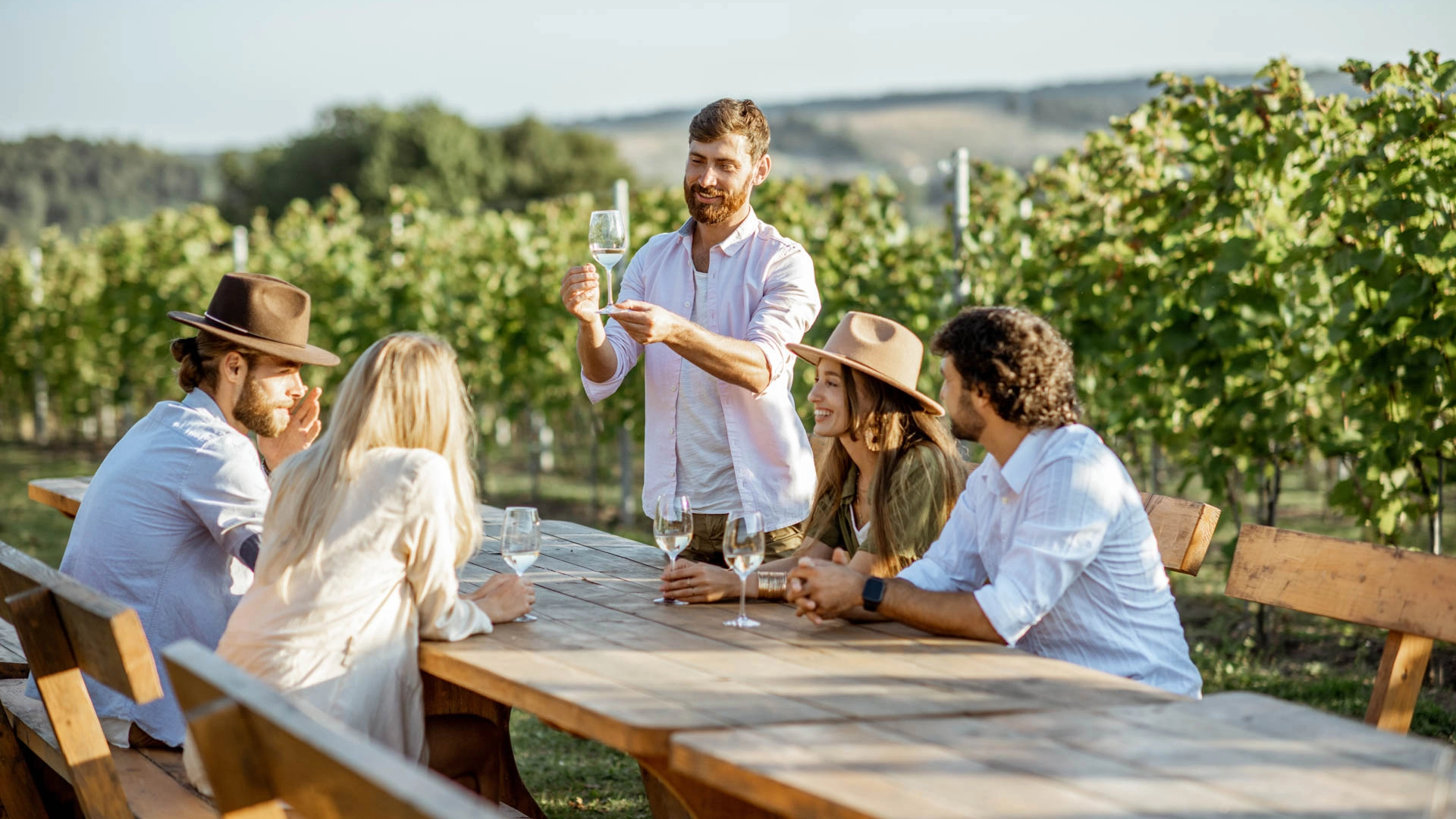
Beyond the coast, the Okanagan Valley sits roughly 240 miles east of Vancouver in British Columbia’s interior, where the air turns drier, the hills open out, and the table becomes part of the reason to stay. Vineyards climb above blue lakes. Tasting rooms turn an afternoon into a reason to linger. Meals draw from orchards, farms, and local producers, so the region belongs to the larger itinerary rather than a separate detour. After Vancouver’s harbor and skyline, the Okanagan brings open hills, lakeside leisure, and days shaped by what is poured, cooked, and grown nearby.
The Okanagan is one of British Columbia’s best surprises. Here, the wild does not disappear. It ripens. Vineyard slopes rise above blue lakes, orchards line the roads, and lunch can last because the scenery keeps making a case for another glass. The point is not only the wine. It is the way the valley folds food, water, and agriculture into the larger B.C. experience without losing its connection to the land.
This stretch should not be treated as a quick tasting stop. The Okanagan earns its time because it changes what B.C. offers after Vancouver. Harbor life yields to lake country. City restaurants lead to vineyard tables. The days relax before the mountains or the Pacific side take over again, but this is not simply a place to sit and taste. That mix shows up clearly around Kelowna, Penticton, and Lake Country.
In Kelowna, Myra Canyon follows a former railway line, with restored wooden trestles, rock tunnels, and canyon terrain that can be explored on foot, by bike, or e-bike. Farther south, Penticton puts travelers near the Kettle Valley Rail Trail and the Naramata Bench, where vineyards, lakes, and winery stops can be worked into the same outing. In Lake Country, wineries sit above Okanagan Lake, Kalamalka Lake, and Wood Lake. Together, they make the region about more than tasting rooms alone.
THE INFINITE COAST
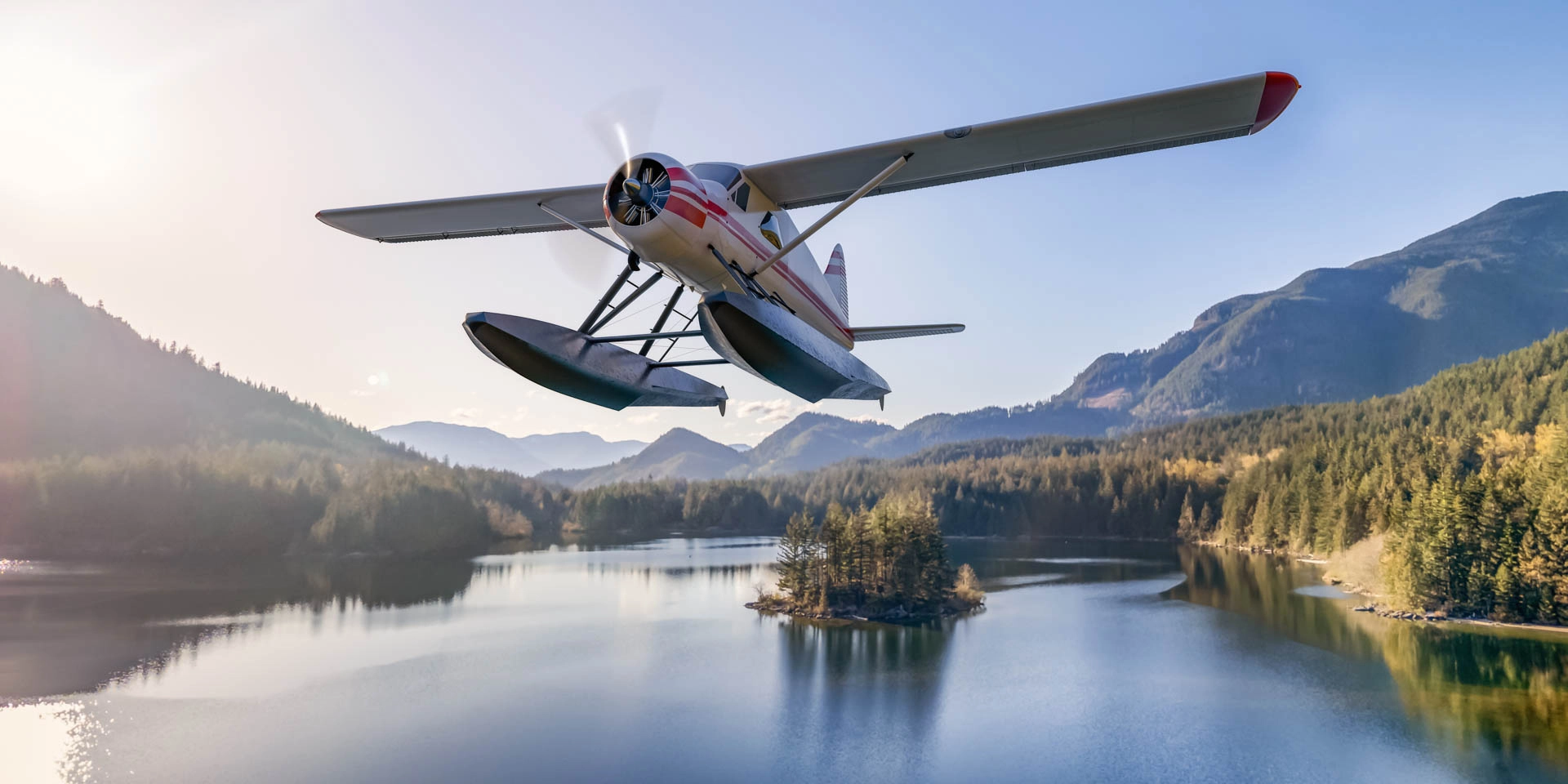
Along the Pacific, British Columbia reaches one of its most cinematic stretches. Away from Vancouver, ferries, boats, floatplanes, and waterfront roads lead into islands and inlets. Vancouver Island anchors this section. Surfing, whale watching, and rainforest walks lend the island a rugged atmosphere. Victoria offers a different kind of island stay on the southern tip of the island. The Inner Harbour forms the city’s center, with historic buildings close to the water and restaurants within a short walk. Butchart Gardens makes a classic outing, while nearby beaches, parks, and whale-watching departures keep the island setting present.
The Sunshine Coast sits northwest of Vancouver along the province’s mainland shoreline, reached by ferry from Horseshoe Bay even though it is not an island. Places such as Gibsons, Sechelt, and Powell River bring together small communities, artist studios, forest trails, inlets, and water access without leaving the mainland. Farther north, the Great Bear Rainforest holds ancient cedars, grizzly and black bear viewing, remote lodges, and the chance to see the white spirit bear. Farther still, Haida Gwaii lies off the northern coast of British Columbia, with Haida culture, coastal villages, old-growth forest, and an archipelago that sits apart from the busier parts of B.C.
WHERE THE MOUNTAINS TAKE OVER
Moving east, British Columbia rises fast. Altitude arrives quickly. North of Vancouver, the Sea to Sky corridor makes the change visible almost at once. Squamish makes the move from Vancouver to Whistler immediate. Set at the north end of Howe Sound along the Sea to Sky corridor, the town marks the transition from harbor to higher ground. The Stawamus Chief, a roughly 2,300-foot granite landmark at the southern edge of town, gives Squamish its most recognizable profile, while the Sea to Sky Gondola offers an accessible way to rise above Howe Sound. This is where British Columbia’s mountain side starts in earnest, with Vancouver behind you and Whistler just ahead.
Whistler turns that alpine momentum into a full resort stay. The village has restaurants, shops, spas, and a central place to return to, but the real pull is still outside. In warmer months, days can revolve around alpine hiking, mountain biking, lake time, bear watching, and gondola rides between peaks. In winter, the mountain takes over with skiing, snow, fireside meals, and the natural cadence of an alpine resort. The Westin Resort & Spa, Whistler is perfect for multiple overnights as it keeps guests close to the village and the lifts while providing a comfortable, well-run base.
Farther into the province, Rossland takes the rugged landscape in a less expected direction. Set in the Kootenay Rockies, about 385 miles east of Vancouver, it is not a casual add-on from the coast. It works best as part of a longer mountain-road adventure, especially for travelers continuing through the Okanagan into southeastern British Columbia. Near Red Mountain, the town has a smaller alpine setting with real outdoor credibility. The Josie Hotel, Autograph Collection works well here because it places visitors close to the slopes and adds an option that is not a repeat of Whistler. Winter centers on skiing and lodge-centered evenings. Summer opens into biking, hiking, and upper-elevation terrain, giving Rossland a clear reason to be included after ski season.
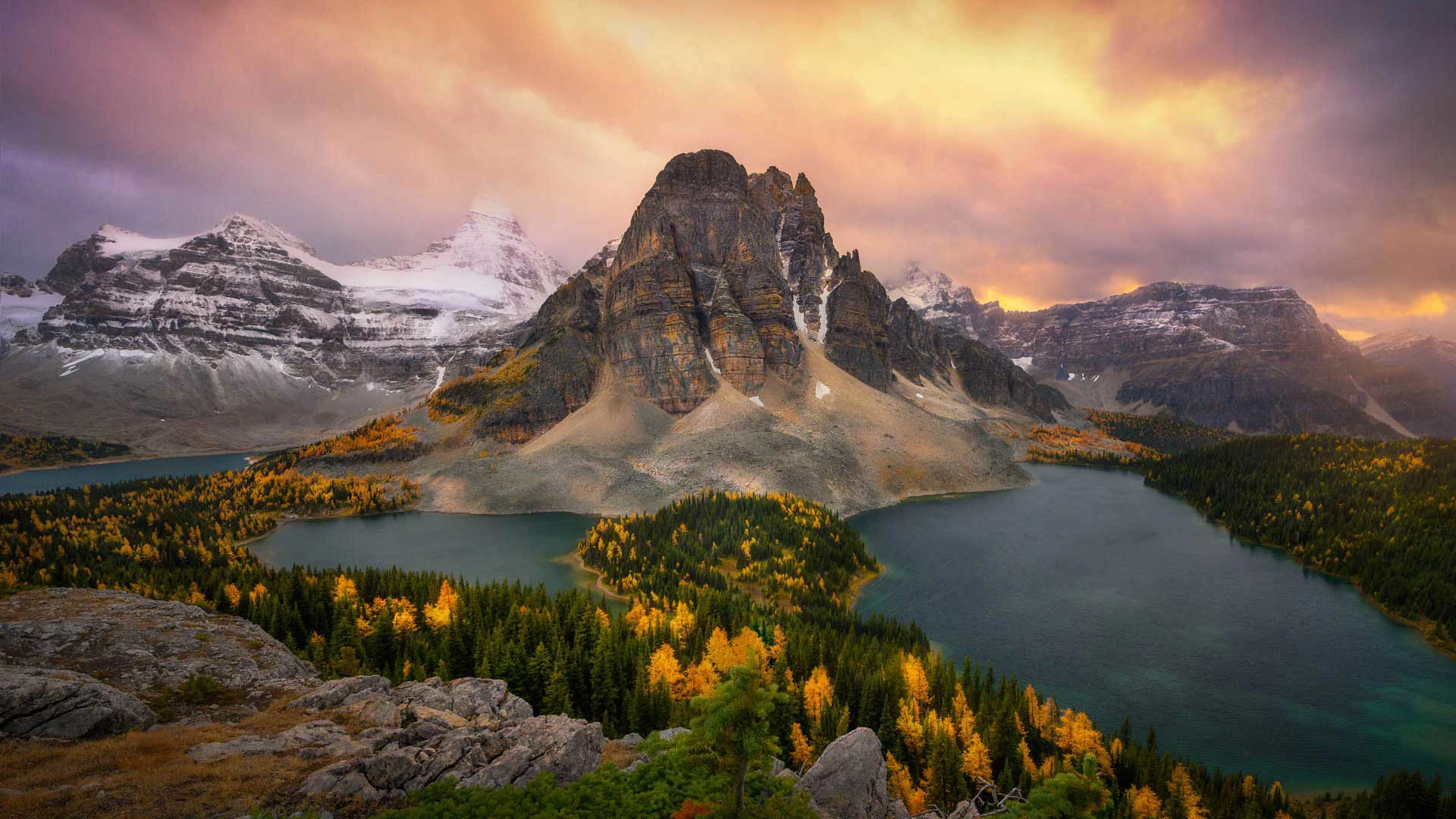
Rossland also points the journey farther east, toward the park country that gives British Columbia its grandest finish. In eastern B.C., Yoho National Park, Kootenay National Park, and Mount Robson Provincial Park push the trip into more imposing terrain. Waterfalls cut through stone. Glacial lakes carry impossible color. Forested valleys sit below peaks that make the day longer than planned. This is not a place to rush through for a single photo stop. It deserves a thoughtful base and an itinerary built around the mountains themselves. By the end, British Columbia leaves travelers with the rare conviction that the map still has room to surprise them.
Choose one of our incredible travel experiences.
Search for the local Affluent Traveler Specialist in your area.
Contact your local specialist and start planning.


The Affluent Traveler Collection is your “Your Guide to the Good Life.” Our renowned luxury travel specialists have one goal in mind, to create luxurious travel experiences that will inspire your mind, body and soul. Through long-standing relationships with the most upscale hotels, cruise lines, guided vacation companies and more, our travel specialists use their years of experience and product expertise to design a tailor-made vacation just for you.
Ready to be guided towards the vacation of your dreams? We’re ready to help get you there. To find an Affluent Traveler Collection travel specialist, click here.